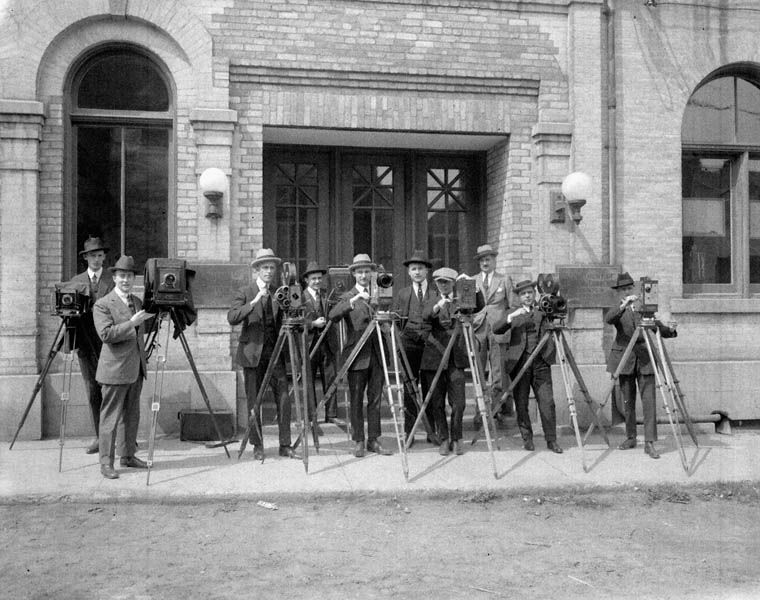
Canadian Government Motion Picture Bureau in 1923, precursor of the NFB. Image: Canadian Encyclopedia
To celebrate Canada Day this year, we’re watching 10 of the Best Canadian Films from the 1940s.
Well, to clarify, these are the best 1940s short films from Canada’s National Film Board (NFB), and one of them is an Oscar winner, believe it or not.
These shorts explore Canadian culture, experimental animation, and WWII and its aftermath. Combined, they present a view of a marvelous and quirky nation – if this version of Canada ever really existed.
Since its establishment in 1939, the National Film Board has received 76 Oscar nominations which is, apparently, more than any other non-Hollywood organization. The NFB is also the winner of 12 Academy Awards.
Here are the 10 shorts, as they appear on the NFB YouTube channel. Settle in with some poutine and Nanaimo bars, and enjoy!
Now – The Peace (1945)
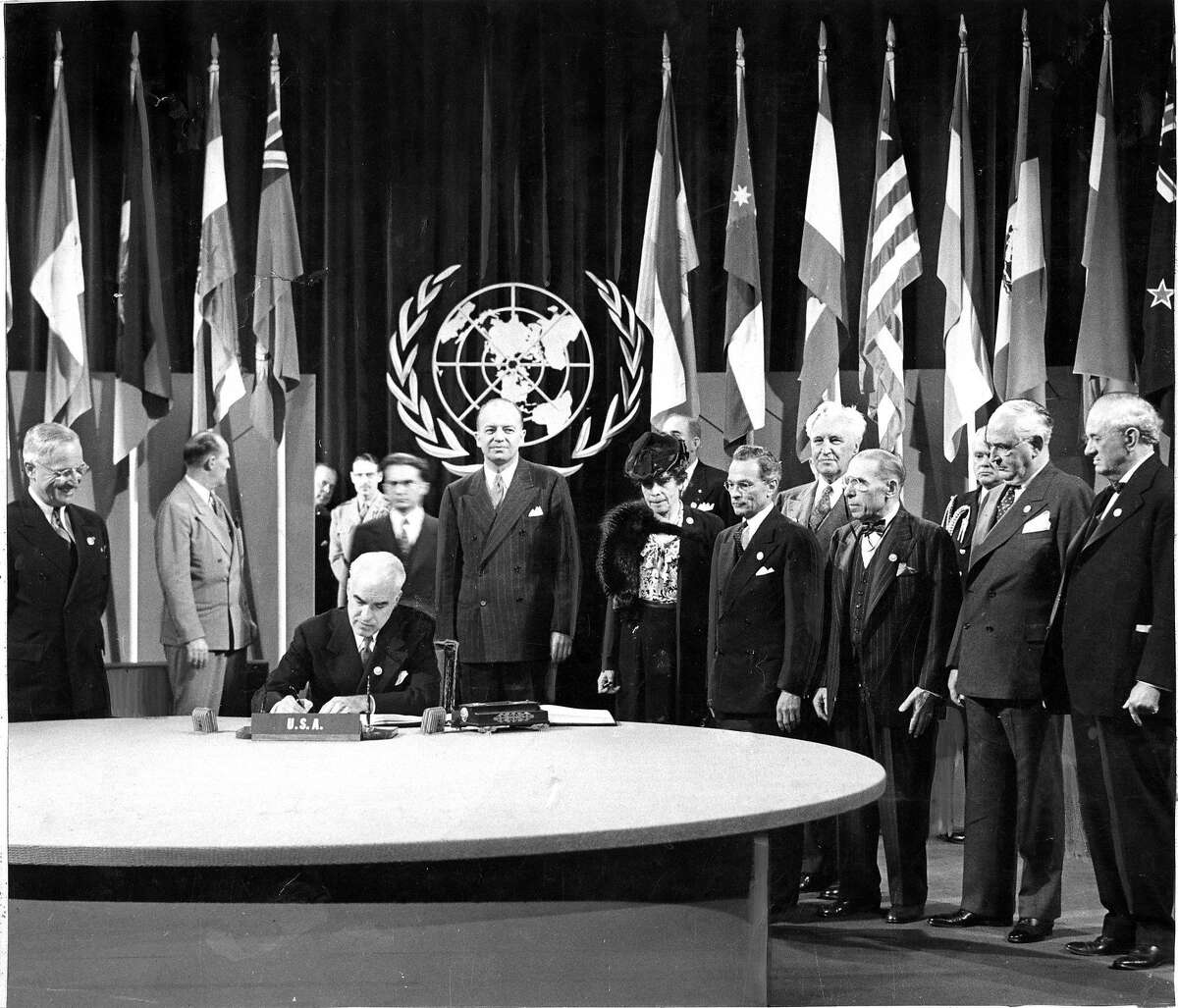
The UN San Francisco Conference in 1945. Image: San Francisco Chronicle
Now – The Peace, narrated by Lorne Greene, asks an excellent post-WWII question: How do you make peace after war? Citing the failure of the League of Nations, Now – The Peace is basically a sales pitch for the United Nations. “There can be little prosperity for one unless there is prosperity for all.” Filmmakers present a rather rosy view of how the UN will Save the World, through relief, food distribution, and monetary programs.
Hot Ice (1940)
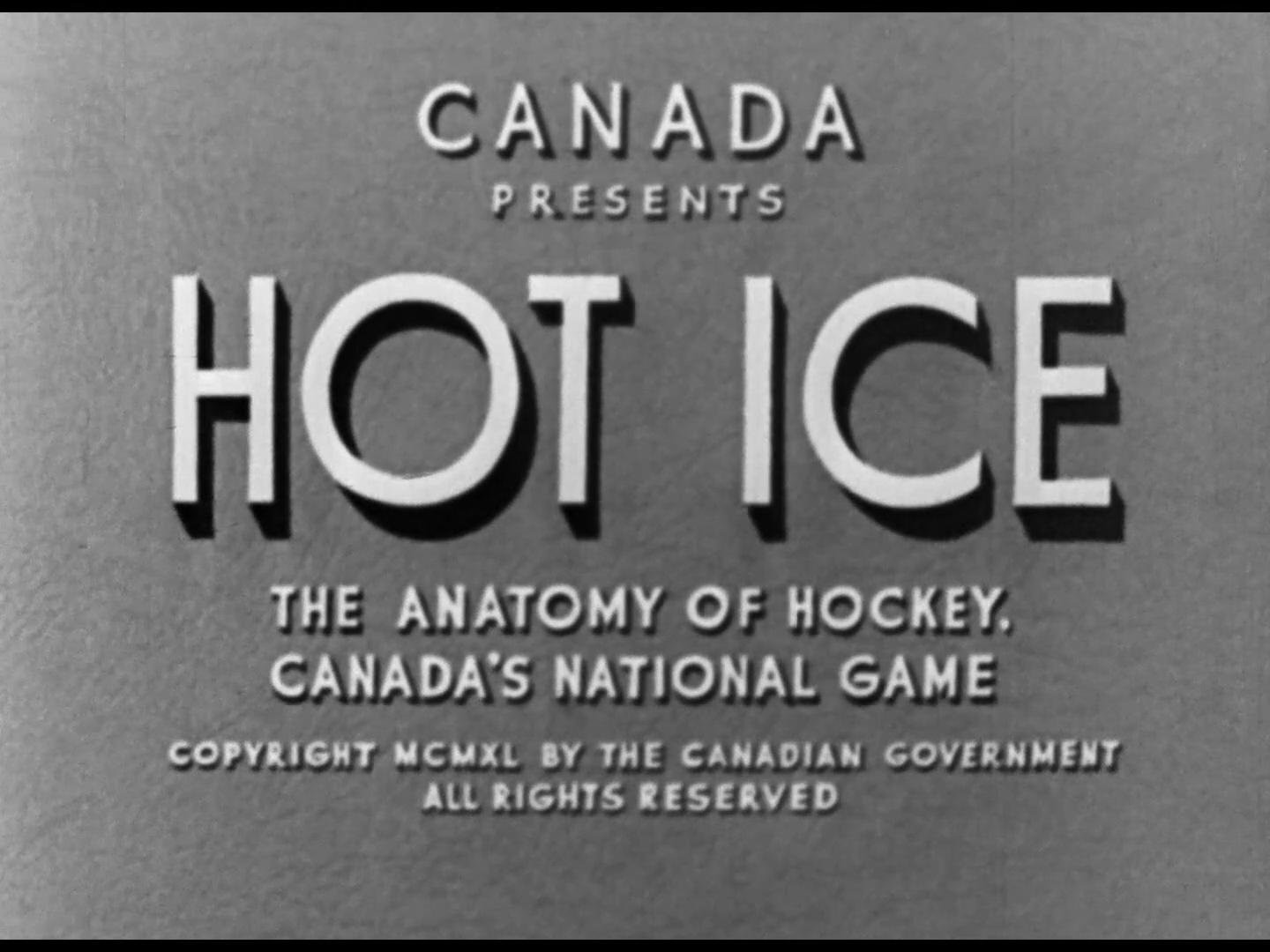
A poetic look at Canada’s Game. Image: IMDb
Despite its cumbersome title, Hot Ice: The Anatomy of Hockey, Canada’s National Game is a charming short with a delightful look at ice hockey. It features a game between the Toronto Maple Leafs and the New York Rangers, along with footage of kids playing shinny on a frozen pond. Its narration is so poetic, you can’t help but fall in love with the sport. The biggest surprise? The NHL did not greatly enrich players’ bank accounts then, unlike the hefty salaries paid today.
Alouette (1944)
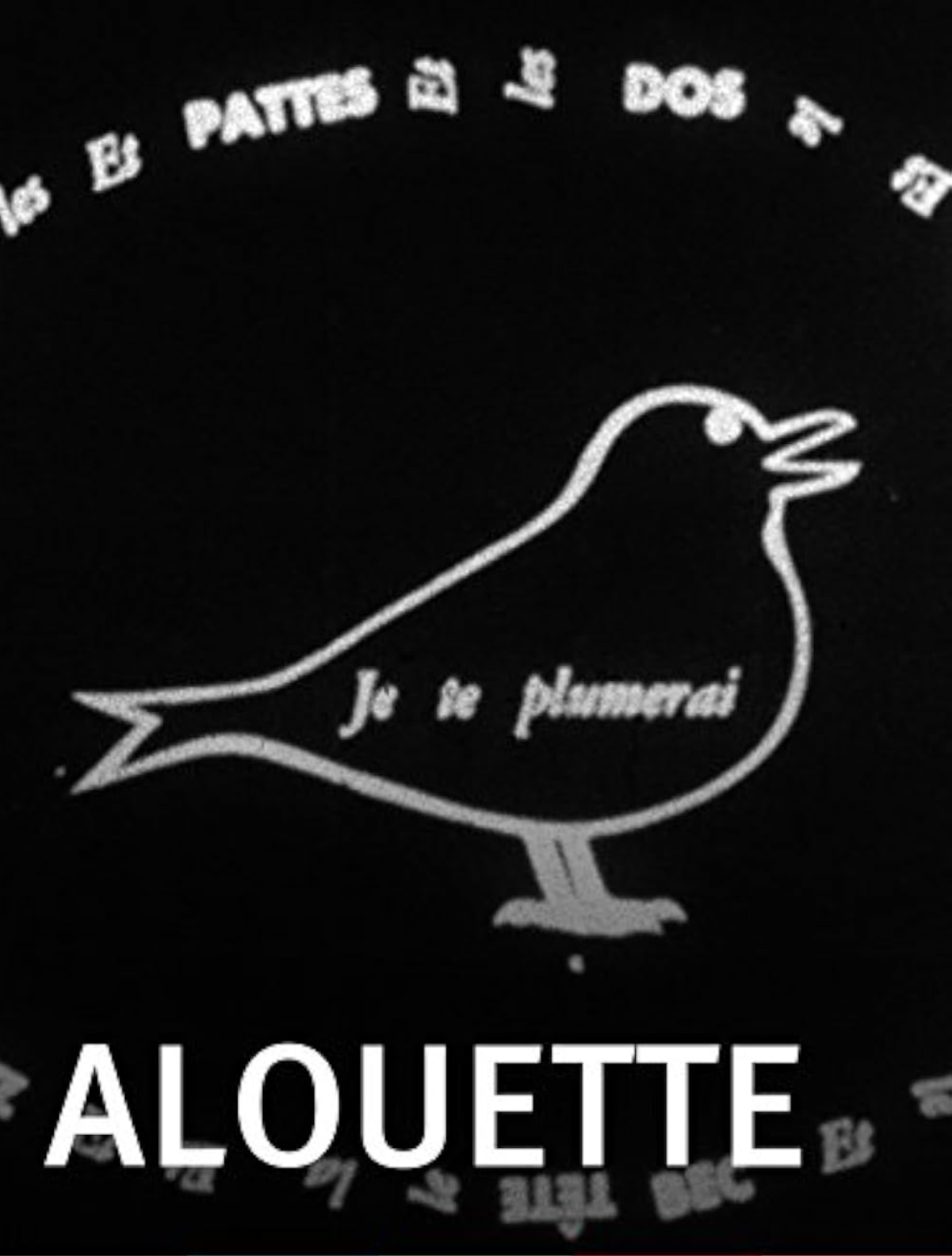
Alouette sing-a-long. Image: IMDb
If you’re familiar with the Quebecois children’s song, “Alouette”, here’s the sing-a-long you’ve been waiting for. Made with paper cut-outs in single-frame animation, the film features nothing more than a white silhouette + words on a stark black background. But the music so upbeat, you can’t not sing along!
Dollar Dance (1943)
The Canadian Government wants you to spend, baby, spend. Image: NFB
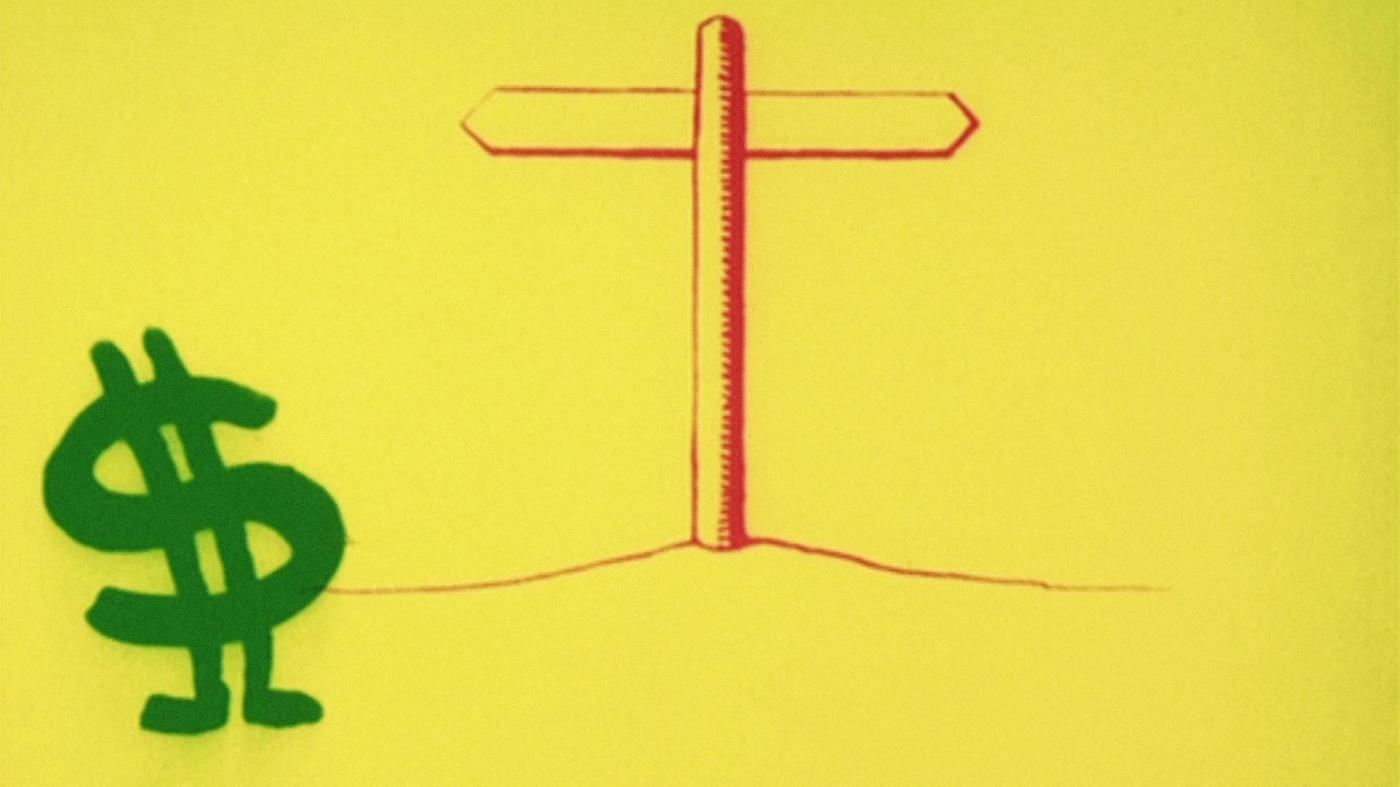
Dollar Dance stars a singing dollar sign that tells you how to spend your money. (“I’m your servant/I’m your friend/Yours to save/Yours to spend.”) The colours are bright, but the message is preachy, e.g. “Pay your taxes with a smile!” This animated short was created by Norman McLaren, who established an animation department at the NFB. For this project, McLaren used pen and ink, which he applied directly onto 35 mm film.
Canada Calling (1949)
Quebec’s Trio Lyrique. Image: NFB
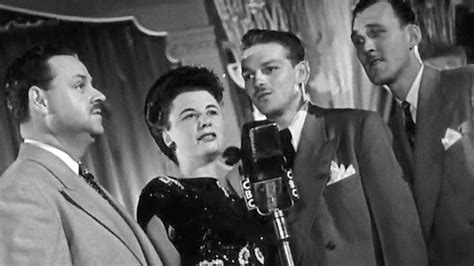
Canada Calling is a love letter to Canadian radio and the role it played in connecting Canadians in far-flung regions of the nation. In 1949, private and public radio broadcasts reached 96 out of every 100 Canadians, using 15,000 miles of telephone and telegraph wires, 100 public and 13 public radio stations, and three networks. Some of the programming looks dated to us today, but you can see how these shows helped unify a nation.
Five for Four (1942)
Buy Savings Bonds and get rich! Image: NFB
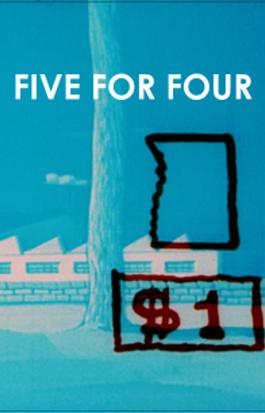
Five for Four is a Norman McLaren pen-and-ink creation that lures you to buy Canadian War Bonds, i.e. buy a bond and watch it grow! Four dollars becomes five! We’re talking Ponzi-scheme kind of money!
Begone Dull Care (1949)
Experimental animation. Image: Cartoon Brew
With music by the Oscar Peterson Trio, Begone Dull Care is a trippy visual interpretation of jazz music. Evelyn Lambart and Norman McLaren painted these images directly onto film, and it’s a perfect marriage of music, colour, and tempo.
How to Build an Igloo (1949)
It’s harder than it looks. Image: Plex
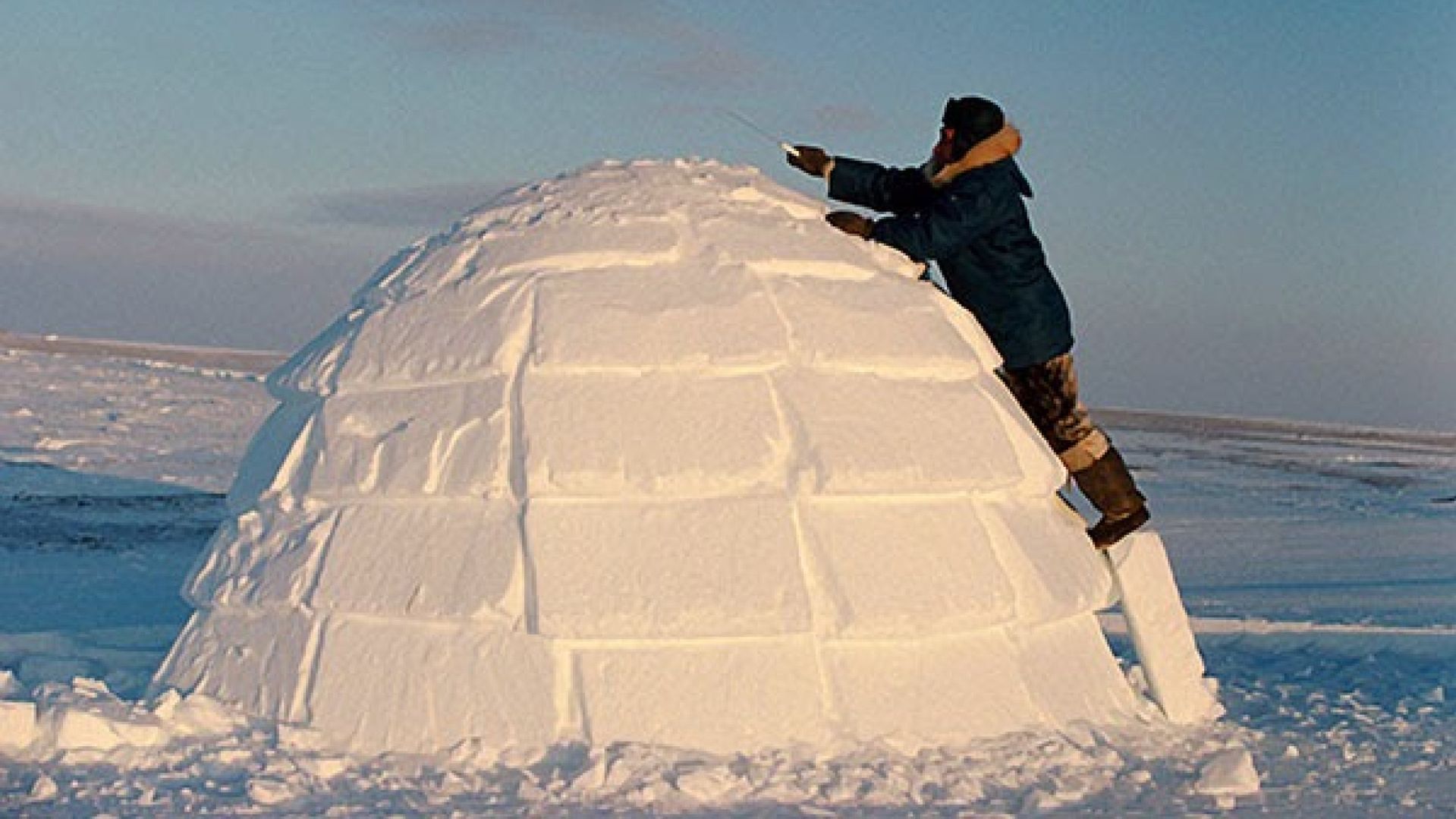
We (yours truly) are a bit embarrassed to admit we didn’t know the word igloo meant “house”. Well, we know now, thanks to the 1949 short, How to Build an Igloo. Making an igloo is an astonishing feat, and it took the two men in this film only 1.5 hours to build it, in -40°C temperatures. Filmmakers show us the entire process, from probing the hardness of the snow, to slicing blocks with a special knife, and sloping the snow bricks to create the spiral beehive architecture. Pro Tip: Always build the igloo around you, as you work from the inside.
Boogie-Doodle (1941)
More experimental animation. Image: Mubi
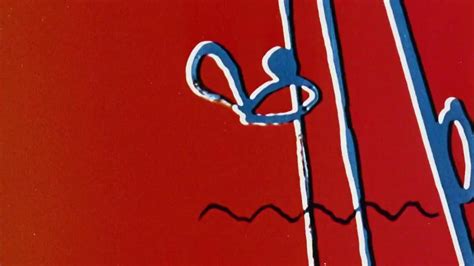
Here is another abstract music-and-colour short, and it’s a joy to watch. The opening credits of this short are presented in eight languages, and it reads: “The National Film Board of Canada presents an experimental film by Norman McLaren, made without camera, by drawing directly upon 35 mm movie film with an ordinary pen and ink.”
Churchill’s Island (1941)
British determination in 1941. Image: IMDb
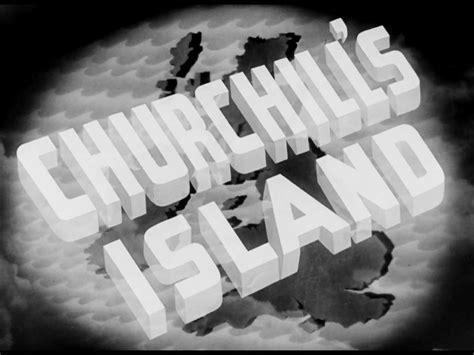
Churchill’s Island was (A) the first Canadian film to win an Oscar, and (B) the first documentary to win an Oscar ever. Narrated by Lorne Greene, this film has remarkable wartime footage from both the British RAF and German Luftwaffe. British civilians are the heroes of this film, as Greene notes, “[Here] lies a strength, a stubborn calm that bomb and fire and steel cannot pierce.” The big question in 1941 is: When Germany will attempt to invade England?
Whew – I’m relieved to know someone else didn’t know about igloo, either. All these shorts are interesting, but the one on building an igloo is especially fascinating. They make it look so easy, but all the pros do.
A good number of these were still shown in school when we were kids, that’s how iconic they are. Especially Alouette, in French class… probably why I can still remember all the words today lol Great post!!
No way – your school played the Alouette short? Awesome! You just can’t NOT sing along with it! I remember the igloo-building short from elementary school, and never forgot it. Truly remarkable engineering going on there.








It’s pretty awesome Lorne Greene has a part in these, always remember him playing Ava Gardner’s father in Earthquake..
LikeLiked by 1 person
You are amazing. I didn’t even remember that, and I’m Canadian!
LikeLiked by 1 person
There is even a Quantum Leap episode about this film which sadly doesn’t have Sam jumping into Lorne’s body (or Ava’s) like I had hoped…
LikeLiked by 1 person
Hahaha! That would be too good.
LikeLiked by 1 person
Some great choice there. Not heard of many of them. I’m with you, I had no idea Igloo meant house either!
LikeLiked by 1 person
Whew – I’m relieved to know someone else didn’t know about igloo, either. All these shorts are interesting, but the one on building an igloo is especially fascinating. They make it look so easy, but all the pros do.
LikeLiked by 1 person
A good number of these were still shown in school when we were kids, that’s how iconic they are. Especially Alouette, in French class… probably why I can still remember all the words today lol Great post!!
LikeLiked by 1 person
No way – your school played the Alouette short? Awesome! You just can’t NOT sing along with it! I remember the igloo-building short from elementary school, and never forgot it. Truly remarkable engineering going on there.
LikeLiked by 1 person