
Featured on the 100 Best Movie Blogs in 2026 and the Top 27 Classic Movie Blogs on the web (2026 Edition). -


-

Proud Member of


“For a brief moment, it appeared that rubber jewels would be the accessories of the future.”¹
This wry observation underscores the headaches jewellery caused Hollywood technicians when “talkies” began dominating the movie industry. Jewellery is lovely, but it can be noisy, and early sound equipment picked up every bit of interference. (These frustrations are famously depicted in the 1952 musical, Singin’ in the Rain.)
Happily, sound crews were able to work around the issue of jewellery because, although it seems trivial, jewellery helps lends credibility to a film. For example, 1930s screwball comedies need diamond-like sparkles, and historical dramas need authenticity in wardrobe and accessories.
But how best to use jewels on the silver screen?
“[C]lear gems and jewels stood out on the movie screen more prolifically than colored stones and gems,” notes Reiner’s Fine Jewelry of New Orleans. “Costume and set designers realized this, and so began bejeweling their stars in densely concentrated sparkling stones.”²
Sometimes it seems costume designers crammed in as many gems per square inch as humanly possible. Yet, the studios didn’t, for the most part, own these jewels. Many were rented to the studios, and the man credited with this idea was Eugene Joseff.
No one was more influential or had more invested in the movie jewellery business than Eugene Joseff, who later branded himself Joseff of Hollywood.
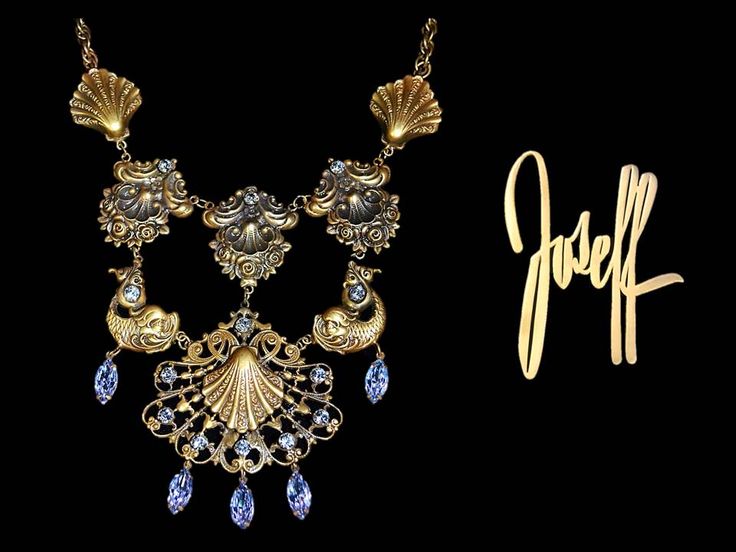
Eugene Joseff was born in 1905 in Chicago, and worked in a foundry before joining the advertising industry. According to the Joseff of Hollywood website, this outgoing and enterprising young man went to Hollywood in the late 1920s, where he struck up a friendship with costume designer Walter Plunkett.
Joseff found himself settling in Los Angeles and, if the rumours are true, he began designing jewellery in his garage on Sunset Boulevard. He also gained vast knowledge about film, costumes, and history. One thing that irked him, they say, was actors wearing modern jewellery in a period film.
“He…amassed a reference library to aid him in the creation of pieces for historic films.” says the Joseff of Hollywood site. “He used this reference library to make himself into an invaluable resource to the costume designers of Old Hollywood.”³
Collectors today point to a copper-gold alloy as the most distinctive characteristic of the jewellery.
“[The] Russian gold finish [was] a proprietary semi-matte copper-gold alloy plating developed by Eugene Joseff to solve a specific problem,” notes the collector site, Around the Block. “Under the powerful lighting of film sets, highly polished gold created unwanted glare and reflections. Russian gold’s softer, warmer tone eliminated the problem while giving pieces an authentic, antique quality that suited the historical films Joseff was dressing.”4
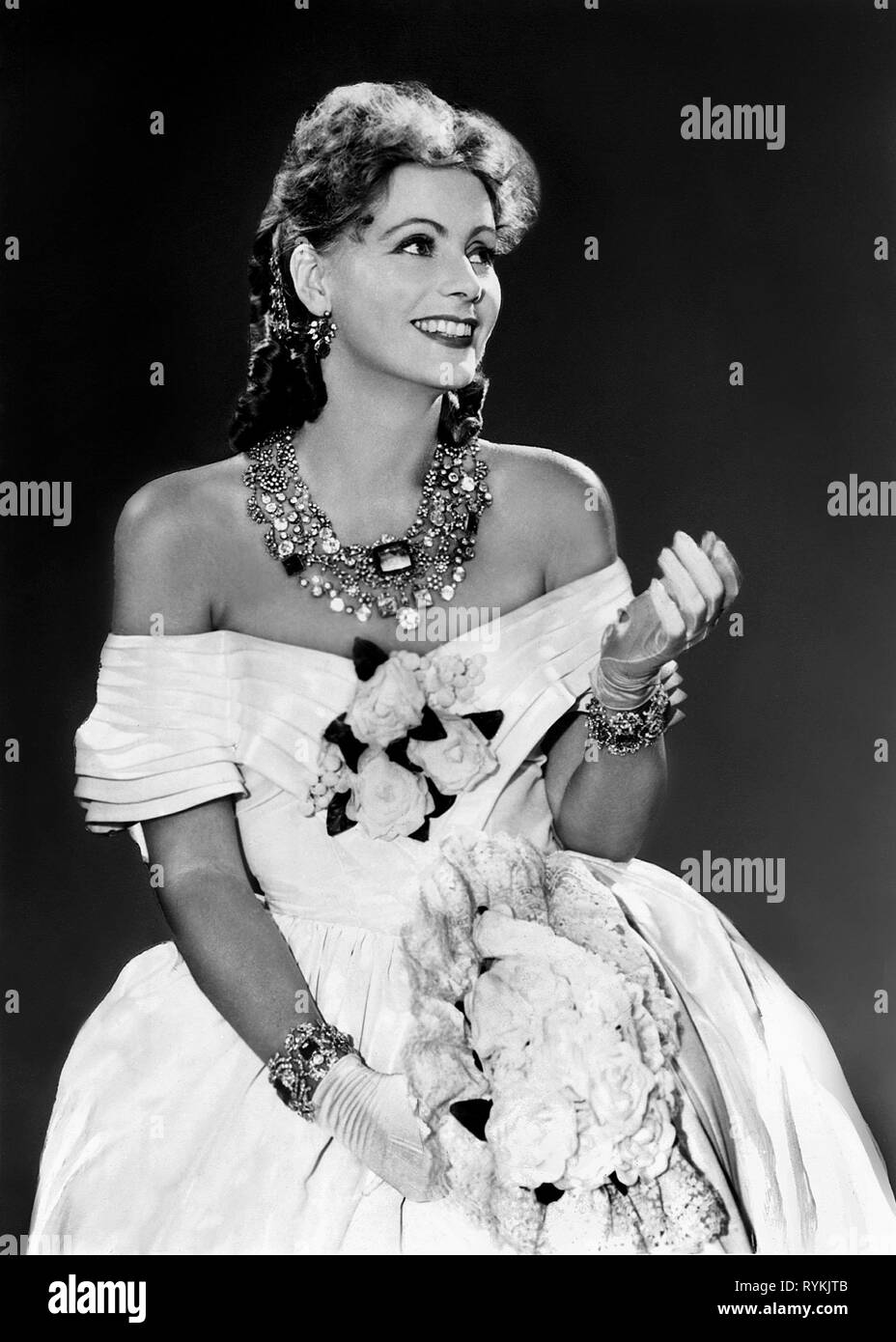
The Joseff jewellery appeared in over 1,000 films, including Camille (1936) starring Greta Garbo, and Gone With the Wind (1939) starring Vivien Leigh.
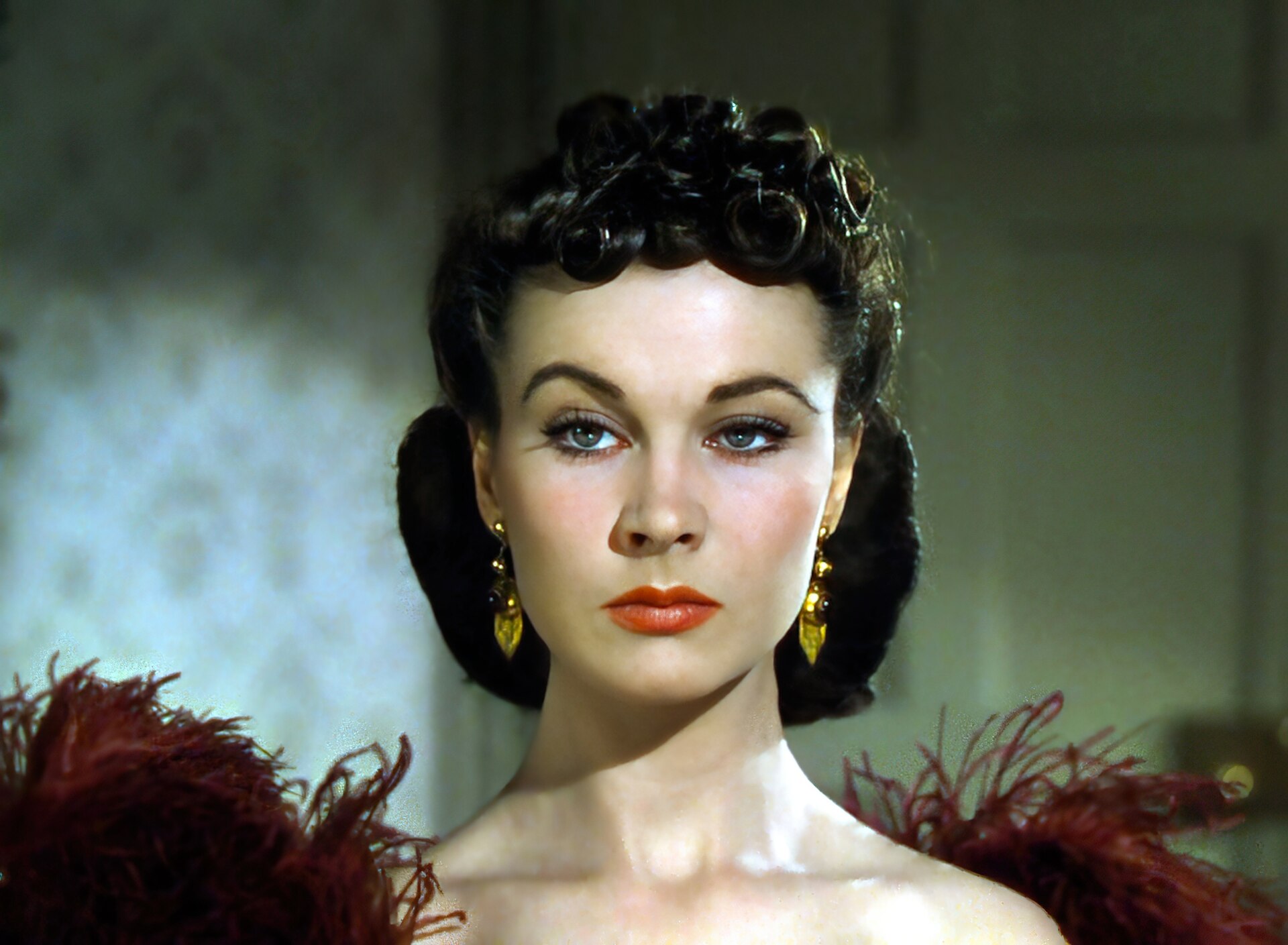
The website, Collectors Weekly, notes: “In the ’30s and ’40s, Joseff was supplying over 90 percent of the jewelry in the movies… Antiques Roadshow appraiser Rosalie Sayyah, a costume jewelry expert who goes by the name ‘Rhinestone Rosie,’ agrees that Joseff, who employed between 35 and 70 during his company’s peak years, made an impact on Hollywood and fashion that cannot be underestimated.”5
But Joseff wasn’t just a technical genius. Sources say he was a charismatic and natural salesman in the Hollywood arena. He would find out which films were in production, then approach the studios with Ideas.
He was smart enough to rent his jewellery, and it was only a matter of time before he embraced retail business.
“Joseff realized the lucrative potential of a retail line, which he began to sell in high-end department stores,” says the Joseff site. “He moved to a new location in Burbank, close to the studios but with enough space to expand his operations.”6
Happily for American women, these jewellery sales weren’t exclusive to Los Angeles. Here’s a newspaper ad directed at Chicago-area fashionistas:
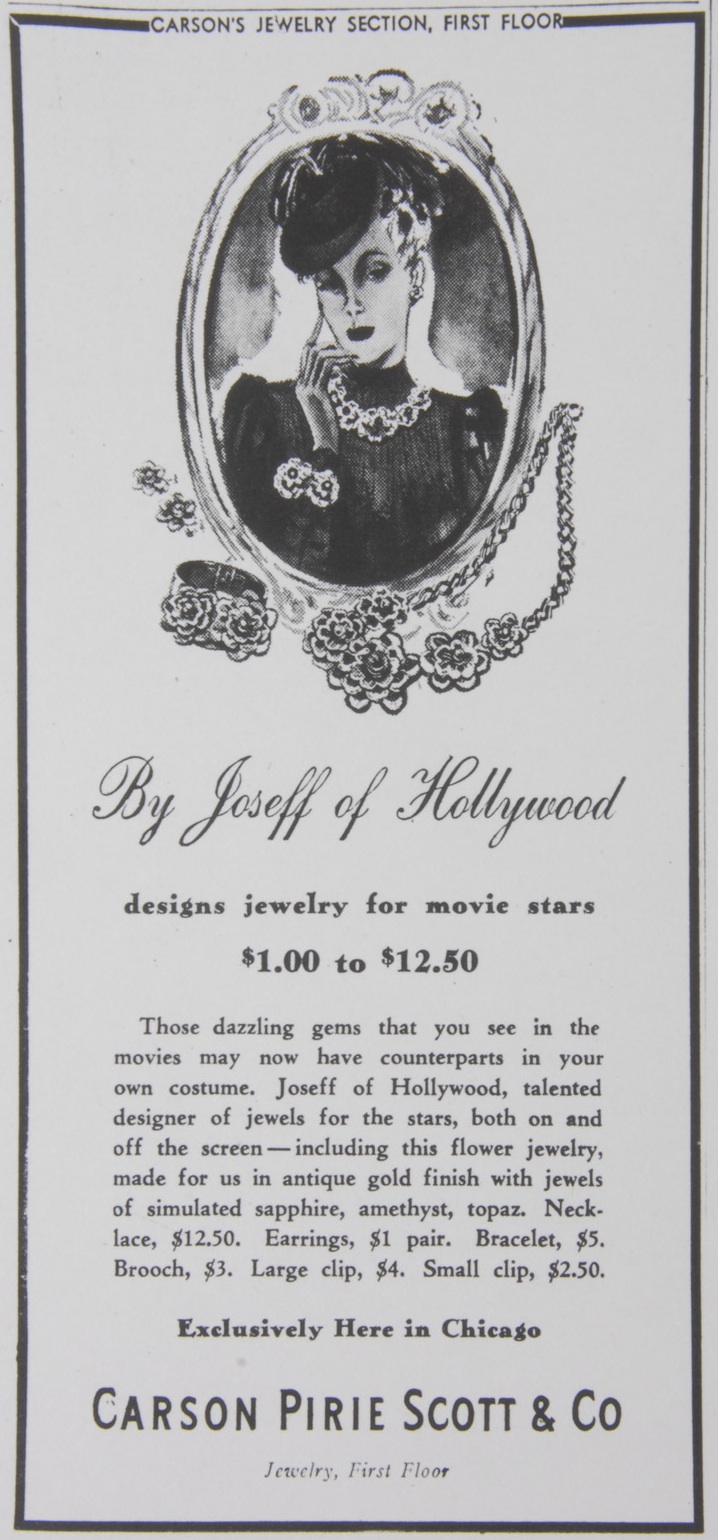
Joseff jewellery is still highly collectible today, and appraiser Rosalie Sayyah offers one reason why.
“The women in the movies of the ’30s and ’40s were very brassy and bold,” Sayyah says. “[W]ith those Golden Era women, there was something different going on. Even if you weren’t that type of woman, it made you feel proud and a little sassy yourself when you would wear something you saw in a movie. These women are solving crimes, they’re newspaper reporters, they’re running around…. These were women that rose above the commonplace, so we also associate the jewelry with that.”7
Here’s a random sampling of the Joseff jewellery, made in the 1930s and 40s. These pieces may look outdated today, but notice the detail and care spent on each one.
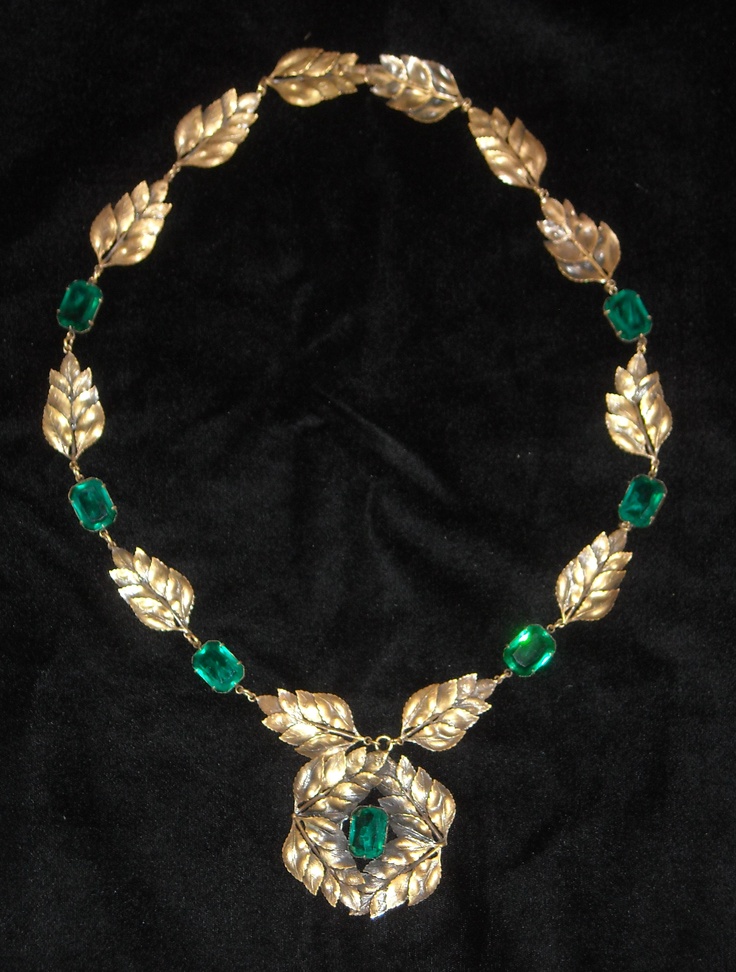
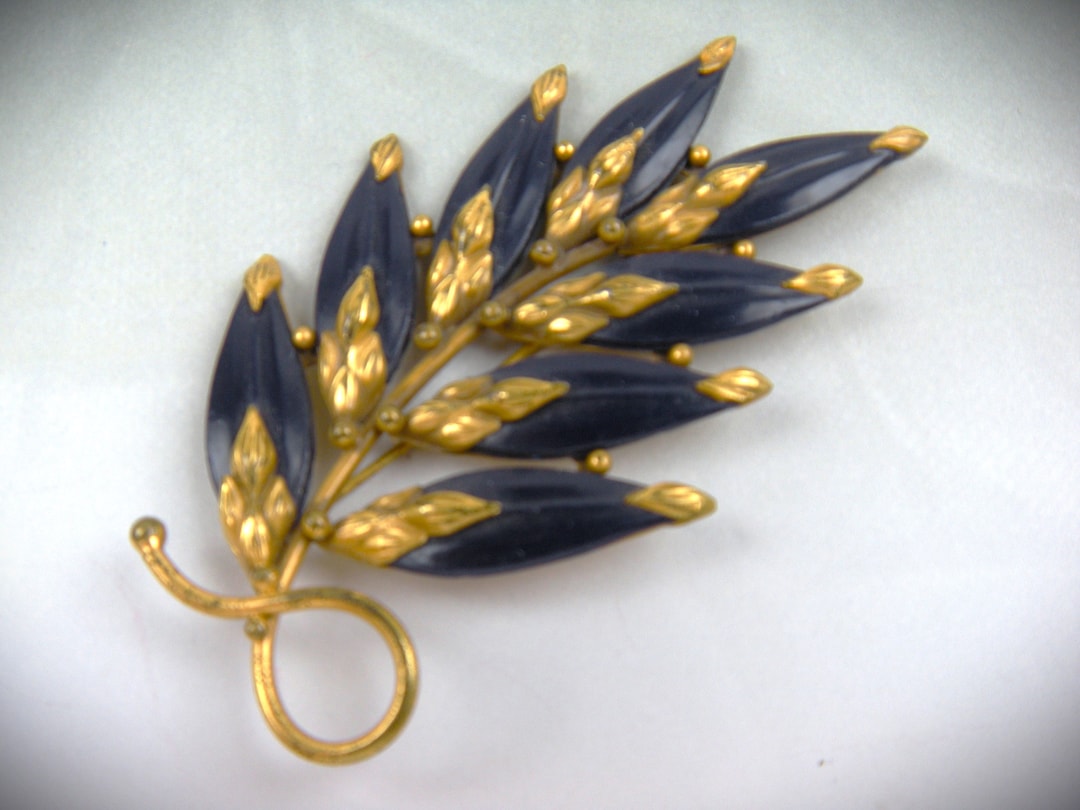
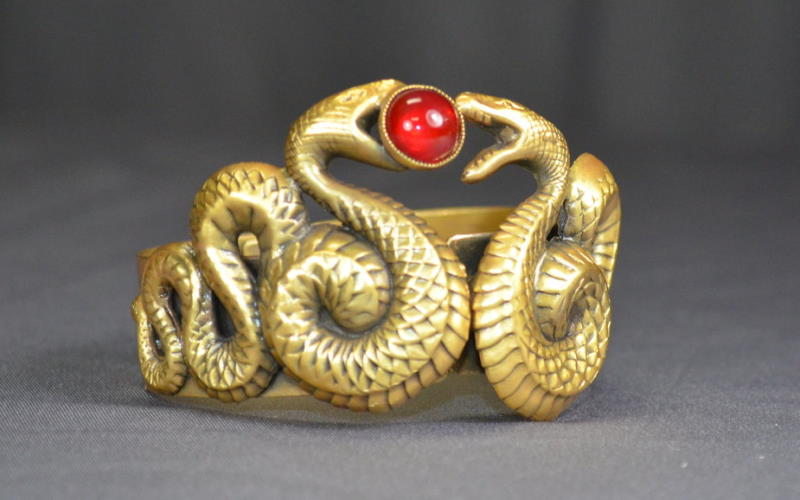
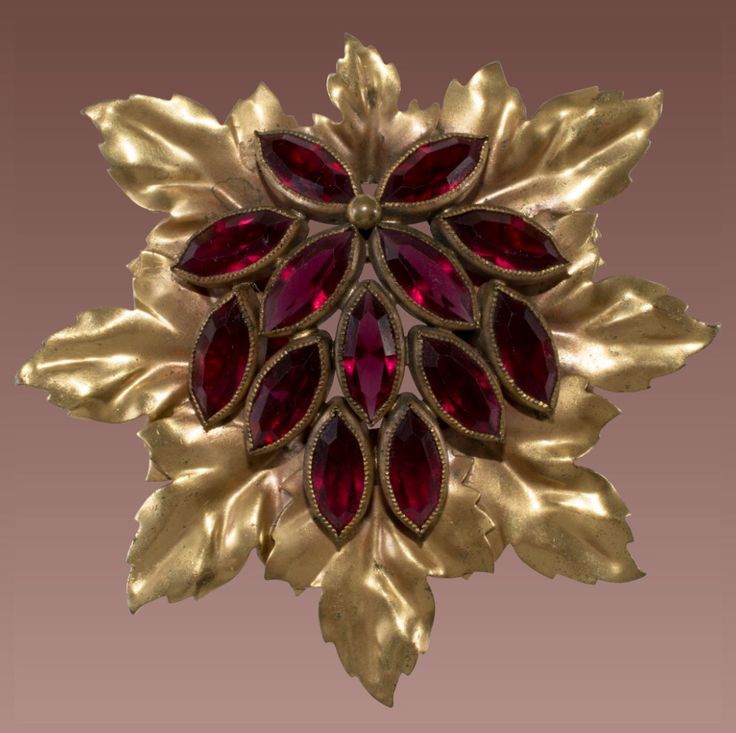
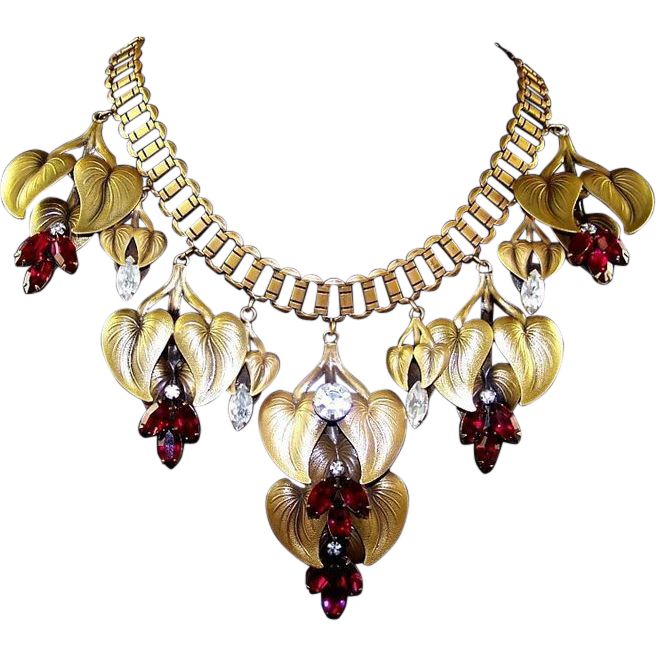
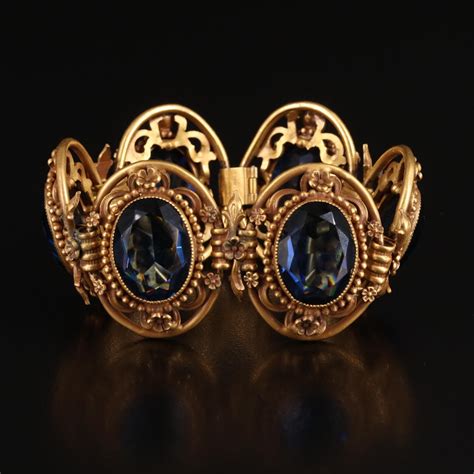
Images (L-R, starting top left): 1. Emerald and gold necklace, Pinterest 2. Tenite brooch, Etsy 3. Bracelet with ruby cabochon, DSF Antique Jewelry 4. Rhinestone brooch, Pinterest. 5. Calla Lilly necklace, Pinterest 6. Metal bracelet (part of a set), EBTH.
Besides his Hollywood-Jewellery Empire, Joseff answered the call of the U.S. war effort during WWII, and began manufacturing small airplane parts for the military, which the company produced until 2018.
In 1948, Joseff died in a plane crash, leaving behind a wife and one-year-old son. Instead of shuttering the company, his wife, Joan Castle, took over the management, and ran the organization until her death in 2010 at the remarkable age of 97.
Today, Joseff of Hollywood is still run by the Joseff family, and you can purchase some of that jewellery on their very tempting website.
Click HERE for a Must Read article on the Joseff workshop and warehouse.
This post is part of the Cinema: The Art of Illusion Blogathon, hosted by the Classic Movie Blog Association.
¹Penny Proddow, Debra Healy, Marion Fasel. (1992) Hollywood Jewels: Movies, Jewelry, Stars. New York, NY: Abradale Press, p. 31.
²Reiner’s Fine Jewelry. (Retrieved November 10, 2026.) Jewelry Trends of the 1930s.
³Joseff of Hollywood. (Retrieved November 10, 2026.) Joseff of Hollywood.
4Around the Block. (Retrieved November 10, 2026.) Vintage Joseff of Hollywood Jewellery: A Collector’s Guide.
5Collectors Weekly. (Retrieved November 10, 2026). Hidden Gems: Lost Jewelry Trove Uncovered in Burbank Warehouse, by Joanna Mangan.
6Joseff of Hollywood.
7Collectors Weekly.


