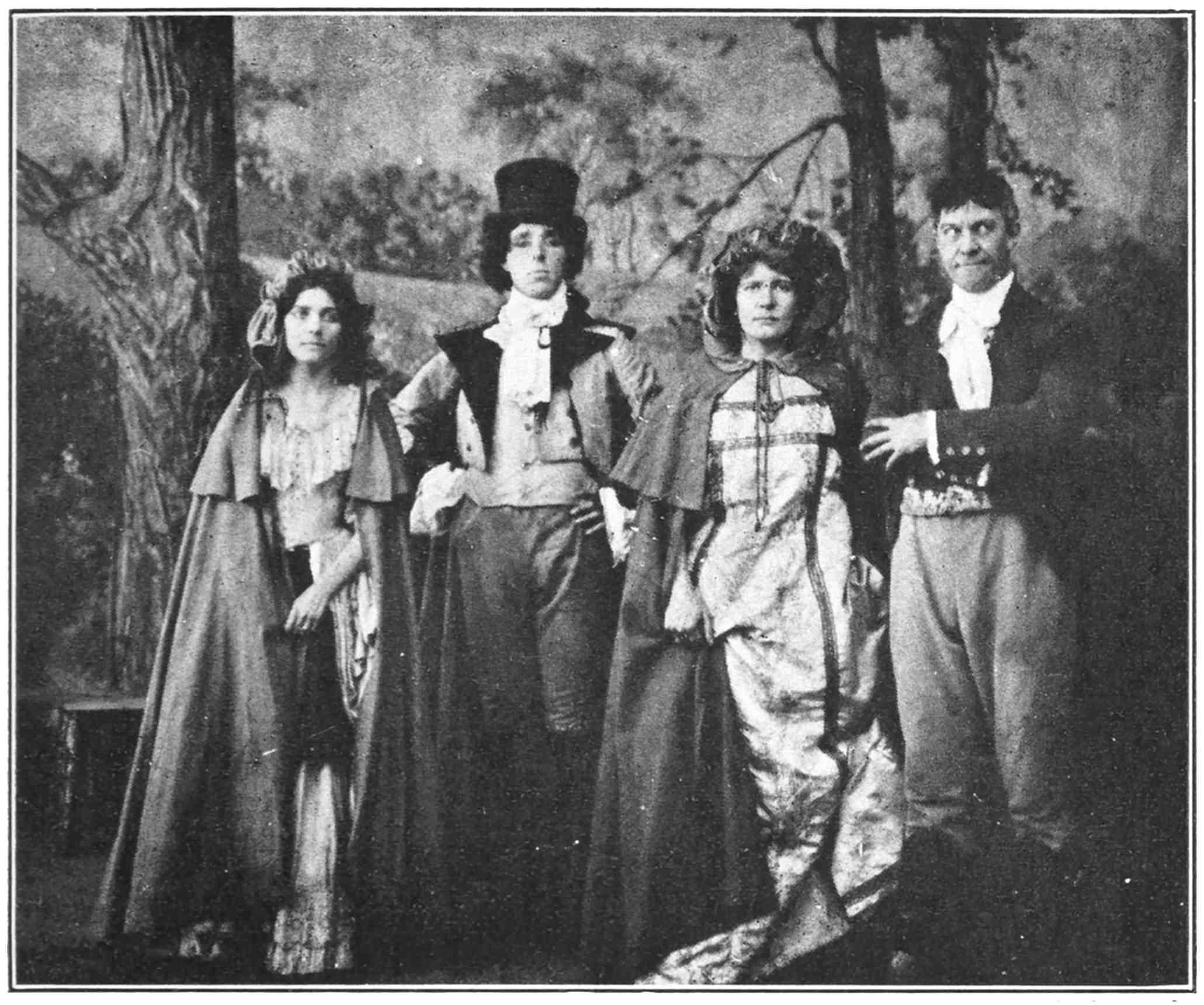
Actress Linda Arvidson (L) and her husband, David (second from left) in the 1908 short, When Knights Were Bold. Image: Gutenberg.org
When Linda Arvidson and her husband, David, began working as actors at New York’s Biograph [film] Company in 1908, they didn’t tell anyone they were married.
One reason was hubby David worried Arvidson’s career might be hamstrung if people knew she was his wife.
Another (bigger) reason: Biograph paid its actors $5/day, so between the two, Arvidson and her husband were earning roughly $1600 US/week in today’s currency. It wasn’t long, however, before hubby David realized he could earn even more, by writing and selling scenarios (scripts) at $15 each.
As you may know, those were the days when there was a stigma to being in the movies; serious thespians would never debase themselves in such a way.
But for folks who didn’t care about that, there was a sure-fire way to get your Foot in the Door. Arvidson says Biograph could not refuse a person who owned one or two exceptional pieces of clothing, something the cash-strapped studio couldn’t afford.
“Any one with ‘clothes’ had a wonderful open sesame,” she writes. “You received more on a loan of your clothes, sometimes, that you did on a loan of yourself.”¹
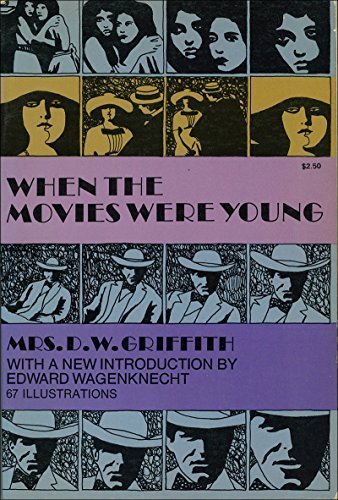
These and many more delightful observations are recorded in Arvidson’s 1925 memoir, When the Movies Were Young. Here she documents her experiences as a film actress, as well as the rise of her husband’s career.
Oh, her husband, incidentally, was the man who would become legendary film director and producer, D.W. Griffith.
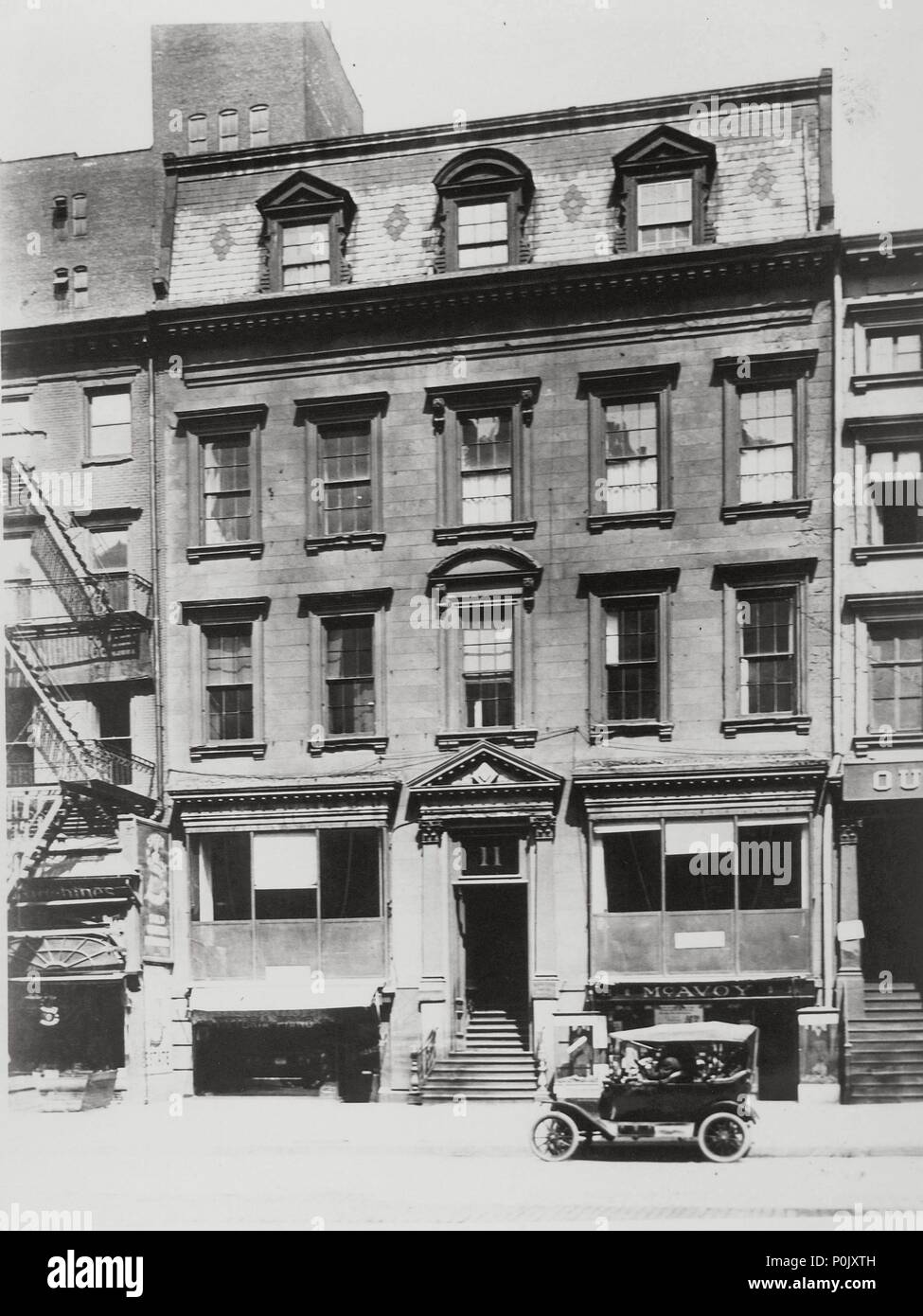
The Biograph Company studio in New York. Image: Alamy
Arvidson’s memoirs sparkle with personality and vivid recollections. She describes the inner workings of Biograph, such as the way lunch was organized, or filming on location in New Jersey, Connecticut, and, eventually, California.
Her writing is sometimes cringingly old-fashioned – and likely seemed so in 1925 – but even so, it’s tremendously engaging. She’s funny, and sometimes a bit mournful, but never regretful. She captures the energy and enthusiasm of artists exploring a new medium.
The author also has the unusual habit of continually tabulating how much film was used in a movie, e.g. “It took seven hundred and sixty-five feet to put the story over.”2
Arvidson, curiously, doesn’t really promote herself, although she must have been a remarkable woman. She was a stage actress in San Francisco, and, at a time when many young women didn’t do such things, she traveled solo cross country to marry her fiancé.
She appeared in nearly 100 Biograph shorts, and says wryly, “I [played] the sympathetic, the wronged wife, the too-trusting maid, waiting, always waiting, for the lover who never came back. But mostly I died.”3
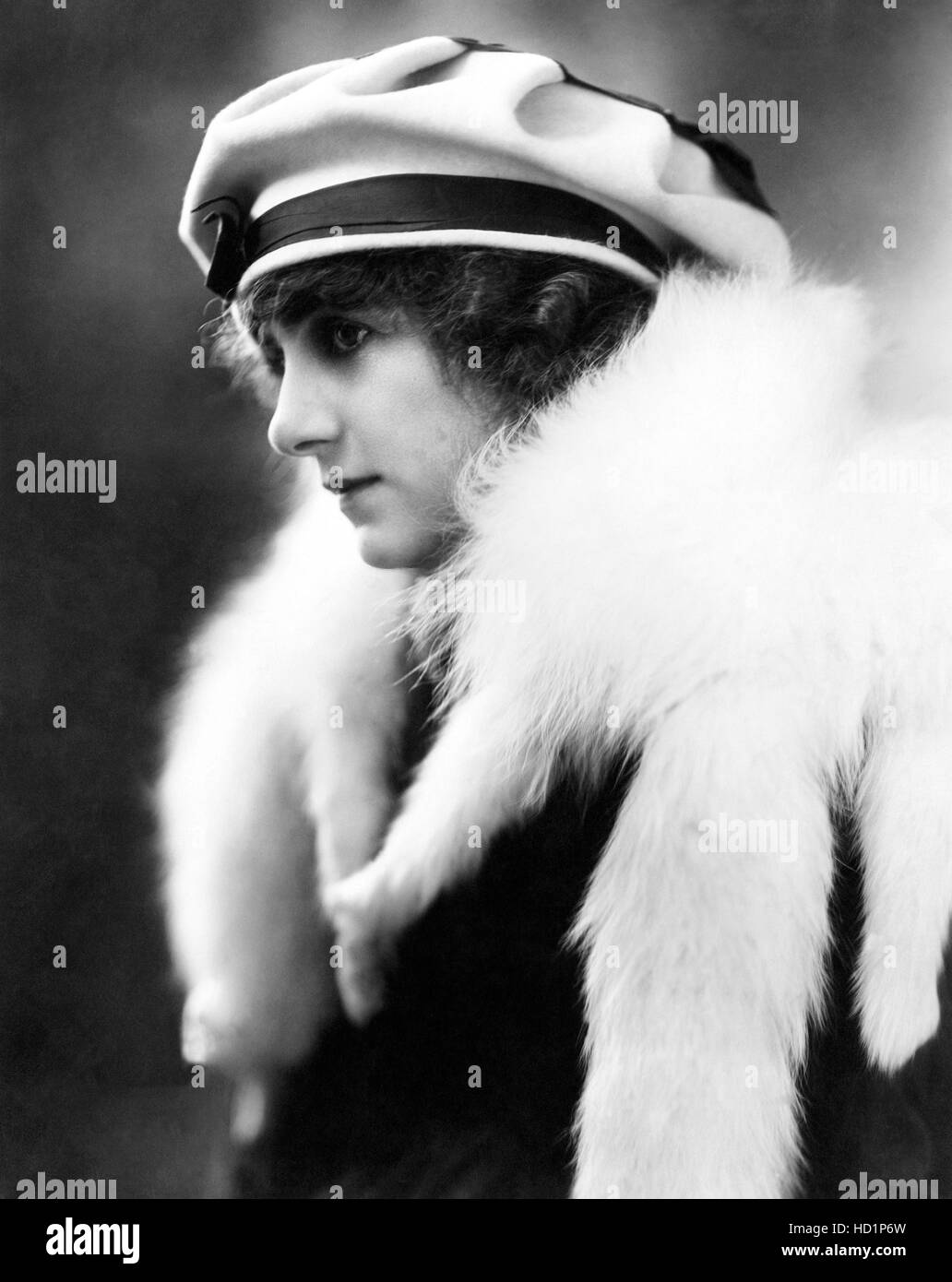
Linda Arvidson, a few years after separating from her husband. Image: Alamy
About D.W. Griffith: Arvidon’s appraisal of him is sometimes gently mocking and, other times, sarcastic. This is not surprising considering their marriage did not survive; they separated in 1912 and divorced in the mid 1930s.
Yet, she praises his groundbreaking directing, such as utilizing the close-up, the fade in/out, and cross-cutting, where footage is edited to give the impression different events are happening at the same time. This was all new stuff in the early 1900s.
“David Wark Griffith’s record may yet perhaps shine with the steady bright light of his courage, of his patient laboring day by day, of his consecration to his work,” she writes, “and of his faithful love for his calling, once thought so lowly.”4 (This she graciously writes in the mid-1920s, when Griffith’s career was in decline.)
But back to the Biograph days! Arvidson left the studio before Griffith did. In 1912, she signed with Kinemacolor Co. of America, but the studio shut down when its president died.
Her film career ended just as Griffith was beginning to establish himself as a Hollywood Legend. His most notable films were still ahead, such as Birth of a Nation (1915) and Intolerance (1916). Later, in 1919, he would become a founding partner in United Artists, along with Douglas Fairbanks, Charlie Chaplin, and Mary Pickford.
Arvidson concludes her memoirs with gratitude for having been a Part Of It All, delivered in her ornate, wistful prose.
“We had to grow up,” she writes. “I, for one, am glad I served my novitiate in a day when we could afford to be good fellows, and our hearts were young enough and happy enough to enjoy [that way of life].”5
Arvidson, Linda (1924) When the Movies Were Young. United States: E.P. Dutton & Company. ¹Ibid., pp. 71-72 2Ibid., p. 101 3Ibid., p. 4Ibid, p. 254 5Ibid, p. 256
Thank you for sharing Linda’s story, Ruth. I will have a look for her memoir. I’m really keen to read this given that it was written during the era. It must have been fascinating and exciting for her to witness the industry growing and changing around her so quickly in just a couple of decades.
Great to have you join the blogathon. Hope all good with you.
“Such a fascinating glimpse into the early days of cinema! Linda Arvidson’s memoirs sound like a treasure trove of behind-the-scenes stories and a heartfelt reflection on a groundbreaking era.”
Beautiful write-up! I learned something new today, so I thank you! I guess it is true what they say: “Behind every great man is a great woman.” Anyhow, I wonder what Arvidson thought of Griffith’s decline as a filmmaker.






 Silver Screenings
Thank you for sharing Linda’s story, Ruth. I will have a look for her memoir. I’m really keen to read this given that it was written during the era. It must have been fascinating and exciting for her to witness the industry growing and changing around her so quickly in just a couple of decades.
Great to have you join the blogathon. Hope all good with you.
Maddy
LikeLiked by 1 person
It’s such a vivid account of early filmmaking days. You almost feel as though you were there with her.
LikeLiked by 1 person
“Such a fascinating glimpse into the early days of cinema! Linda Arvidson’s memoirs sound like a treasure trove of behind-the-scenes stories and a heartfelt reflection on a groundbreaking era.”
LikeLiked by 1 person
This sounds like a fascinating read, even though I dislike Griffith – a shared trait with Arvidson when she was writing, I guess.
It was a great post!
Cheers,
Le
LikeLiked by 1 person
Thanks! You might really appreciate some of Arvidson’s D.W. Griffith observations…
LikeLike
Great post!
LikeLiked by 1 person
Thanks! This is a truly interesting and engaging memoir.
LikeLiked by 1 person
“Mostly I died”. For 5 dollars a day—I love it!!
LikeLiked by 1 person
Linda Arvidson has SO many great one-liners in her memoir.
LikeLiked by 1 person
Been meaning to read this one. Insights about early filmmaking from someone who experienced the industry firsthand are too precious to avoid.
LikeLiked by 1 person
It’s become one of my fave books about early filmmaking.
LikeLike
Hope you can join me and another Alain Delon review…
LikeLike
Beautiful write-up! I learned something new today, so I thank you! I guess it is true what they say: “Behind every great man is a great woman.” Anyhow, I wonder what Arvidson thought of Griffith’s decline as a filmmaker.
LikeLiked by 1 person
I wonder, too, what Arvidson thought of the decline of Griffith’s career. She’s pretty tight-lipped about it in the book.
LikeLiked by 1 person
Thanks for this lovely tribute and I adore the book cover.
LikeLiked by 1 person
It’s a pretty stylish cover, isn’t it? And a bit clever, I thought.
LikeLiked by 1 person
Hope you can join my new blogathon
LikeLiked by 1 person
Yes, I sure do! I’ll drop by soon with my choice. Great idea!
LikeLiked by 1 person
Credit must go to Barry this time…
LikeLiked by 1 person
Arvidson seems to be overlooked all too often–it’s cool that people worked to save what she did.
LikeLiked by 2 people
She is really is overlooked, which is a shame. She writes a good memoir, though.
LikeLike